CSS Exam - Basics
Instructor: CSP Qasim Farooq
This collection covers the basics of preparing for CSS: exam orientation, choosing your optional subjects, building a note-making system, and an introduction to the Essay and Précis papers alongside general paper-attempt technique. It suits candidates who are still forming their preparation plan. Use it to identify gaps in your own understanding rather than working through it start to finish, and follow up each topic with your own notes or a short written exercise.
Videos (13)
- 1
 Understanding CSS | CSS Preparation | CSS Mentor | CSS with a CSP14 min
 - 2
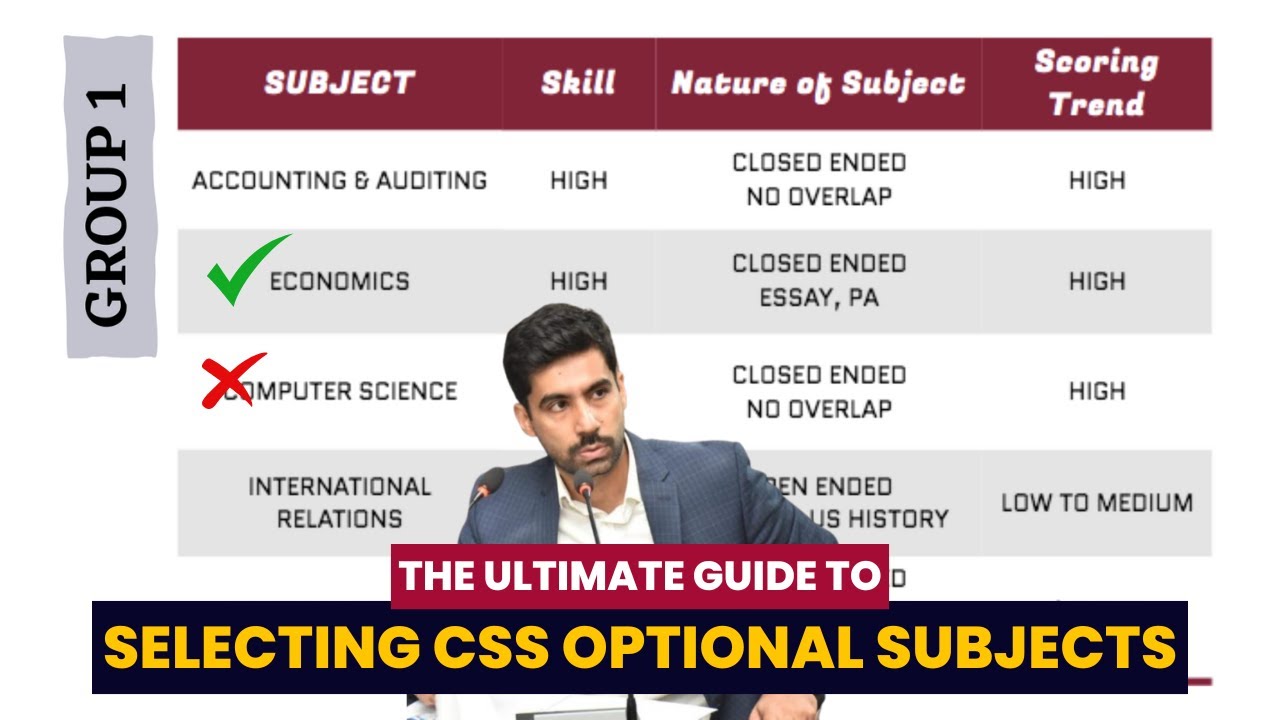 How To Choose CSS Optional Subjects? | The Ultimate CSS Optional Subjects Selection Guide22 min
 - 3
 How To Make Notes | CSS Tips and Techniques | CSS with a CSP15 min
 - 4
 Essay Writing (Part 1) | Tips and Techniques | CSS with a CSP20 min
 - 5
 Essay Writing (Part 2) | Tips and Techniques | CSS with a CSP20 min
 - 6
 8 Step Guide to Essay Writing | CSS Snippets | CSS with a CSP10 min
 - 7
 Precis Writing in 4 Easy Steps | Tips and Technique | CSS with a CSP11 min
 - 8
 Comprehension Exercise | Precis and Composition | CSS with a CSP12 min
 - 9
 How To Write Like A CSS Officer | CSS Essay Writing Tips28 min
 - 10
 How to Manage Your Time Like a Pro (CSS Essay Tips)7 min
 - 11
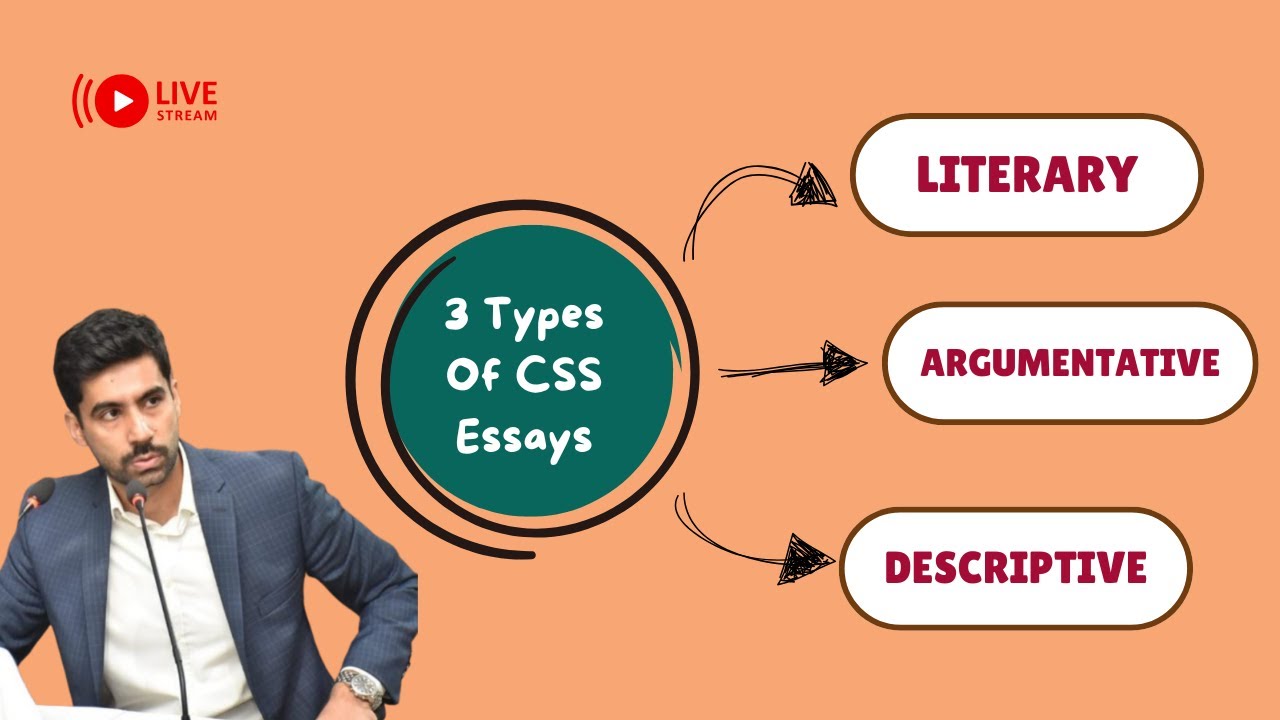 The 3 Essay Types You Need to Know for CSS Exams | Expert Analysis14 min
 - 12
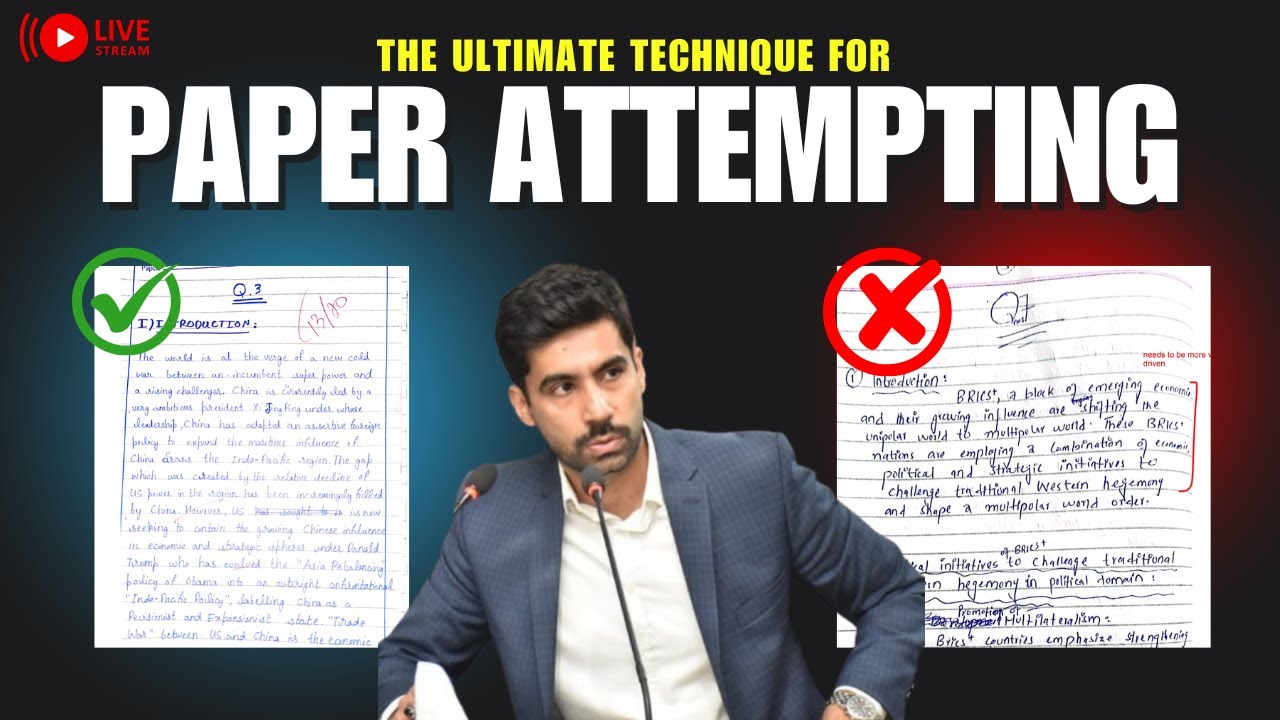 MASTER Paper Attempting Techniques | Crack The Current Affairs Exam24 min
 - 13
 MUST Watch Before You Sit The MPT Exam | Tips, Resources | CSS MPT Special10 min
How to use this collection
These videos are a starting point, not a fixed syllabus, so there is no single order to follow. Begin with whichever stage matches where your preparation actually is.
- Understand the exam before you build a plan. Watch the orientation videos on the CSS structure, compulsory and optional papers, and eligibility before committing to a study schedule.
- Identify the one skill you currently need. If your weakness is choosing subjects, watch the subject-choice videos; if it is organising what you read, watch the note-making videos.
- Turn general advice into your own notes. A video on note-making or paper technique is only useful once you have applied it to a real topic in writing.
- Move from orientation into subject preparation. Once the basics are settled, treat this collection as a reference to return to, not the next stage of your study plan.
The collection is most useful when used to answer a specific question about your preparation, rather than as a sequence to complete from start to finish.