
Free course
Pakistan Affairs - Lecture Series - CSS
Instructor: CSP Qasim Farooq
This lecture series covers Pakistan's ideology, reform movements, constitutional development, political history and a selection of contemporary national questions. It is not a complete syllabus for the Pakistan Affairs paper, and it does not cover every theme the paper can test. Use it to build a working understanding of how these threads connect, then read further and practise writing around the topics it raises.
Videos (15)
- 1
 Introduction | Pakistan Affairs | CSS with a CSP2 min
 - 2
 Lecture 1 | Pakistan's Ideology | Pakistan Affairs | CSS With A CSP12 min
 - 3
 Lecture 2 | Muslim Reformers | Pakistan Affairs | CSS With A CSP14 min
 - 4
 Lecture 3 | Educational Movements | Pakistan Affairs | CSS With A CSP13 min
 - 5
 Lecture 4 | Road to Pakistan | Pakistan Affairs | CSS With A CSP13 min
 - 6
 Lecture 5 | Constitutional Development In Pakistan (Part 1) | Pakistan Affairs | CSS With A CSP9 min
 - 7
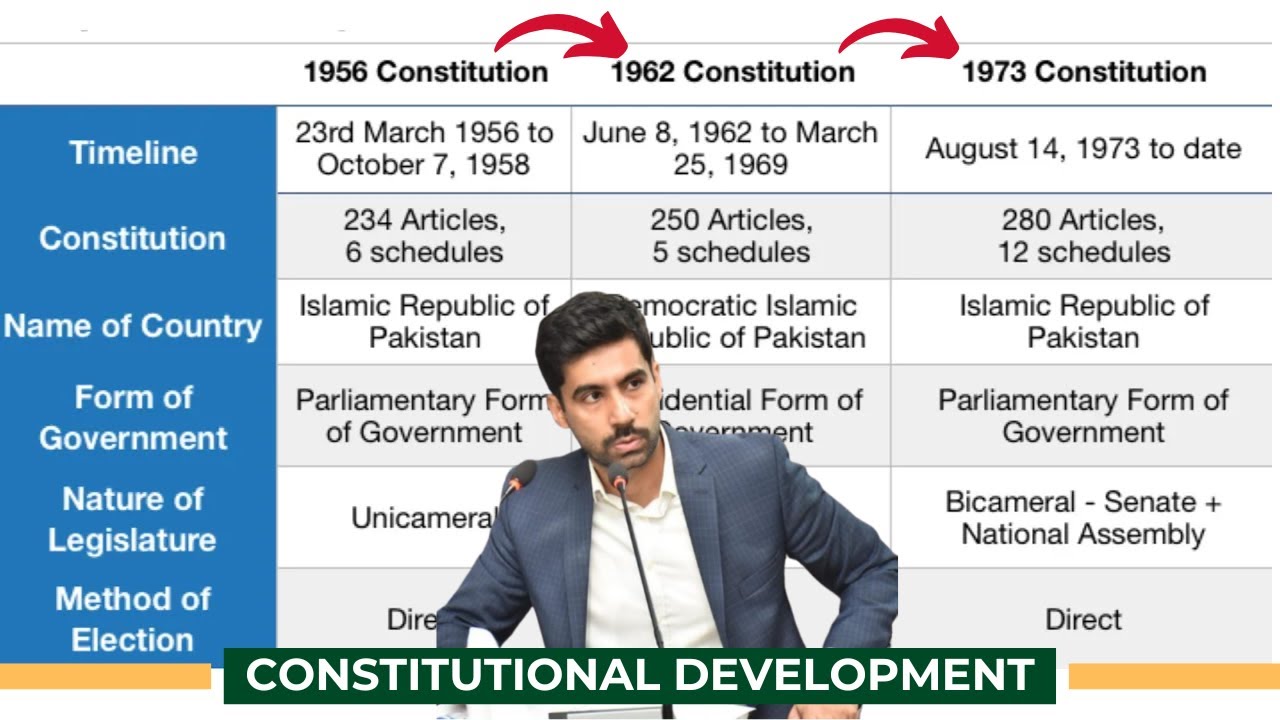 Lecture 6 | Constitutional Development In Pakistan (PART 2) | Pakistan Affairs11 min
 - 8
 What Is The 18th Amendment? | Pakistan's Constitutional History | Pakistan Affairs10 min
 - 9
 The 26th Amendment: Explained in 5 Minutes | Current Affairs5 min
 - 10
 27th Amendment | EVERYTHING You Need To Know | Analysis and Review13 min
 - 11
 Lecture 8 | Lucknow Pact to Pakistan Resolution | Pakistan Affairs CSS11 min
 - 12
 Fall Of Dhaka | 1971 War | What Really Happened? | Pakistan Affairs22 min
 - 13
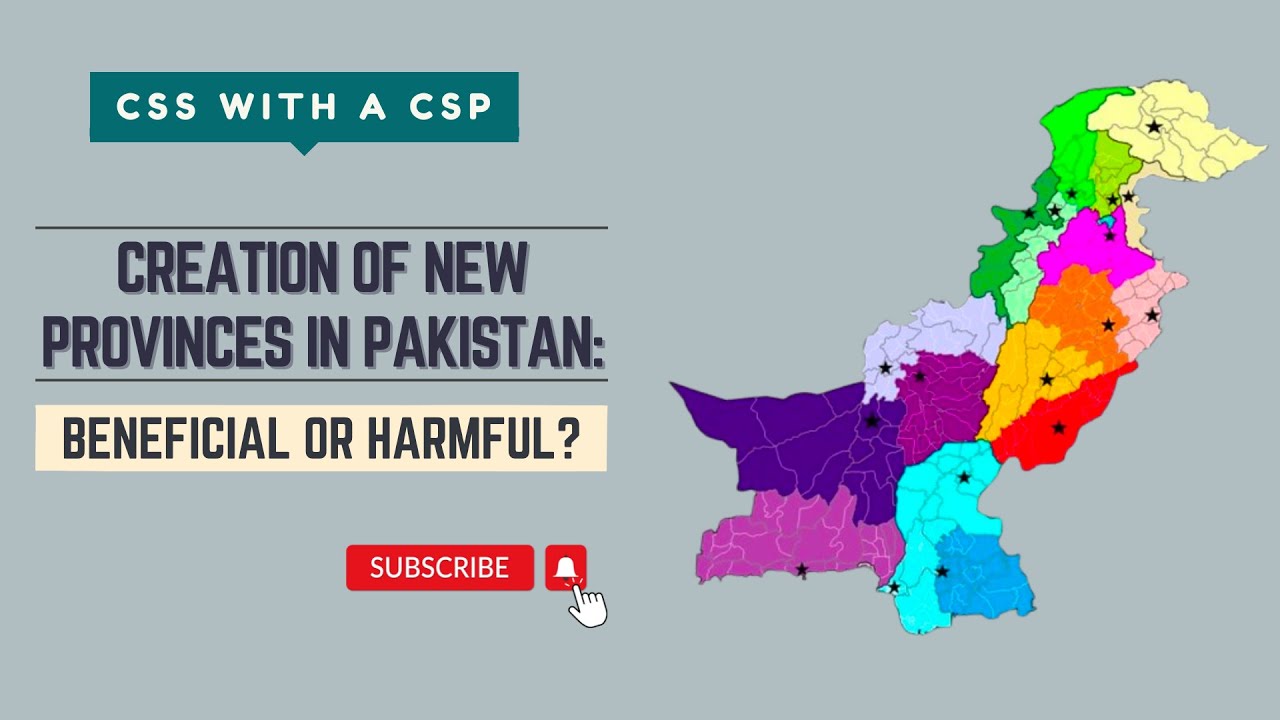 New Provinces In Pakistan | Beneficial Or Harmful? | Pakistan Current Affairs15 min
 - 14
 Quick Dive: The Khilafat Movement Explained in 10 Minutes | Pakistan Affairs | CSS11 min
 - 15
 Why Pakistan's Economy is Collapsing | CSS Expert Analysis13 min
How to use this lecture series
The lectures are not arranged as a single narrative, so treat them as source material for your own preparation rather than a sequence to follow start to finish.
- Build a historical timeline as you watch. Note the dates and sequence of major reform movements and political developments so the period as a whole becomes familiar, not just isolated events.
- Connect constitutional and political developments. Ask how each constitutional change relates to the political events around it, so your notes explain their relationship rather than treating either in isolation.
- Relate historical foundations to contemporary questions. When a lecture covers ideology or reform, think through how the same theme still shapes a current national debate.
- Convert what you learn into question-focused outlines. Pick a past question on a theme you have just watched and write a short outline before moving to the next lecture.
The series is a foundation to build on, not a substitute for reading the constitutional text and recent political history in detail.